AI Chatbots Fail Voters: The Human-Context Problem
Leading AI chatbots gave inaccurate election answers, with performance dropping 16% in Spanish. The real problem? AI can't understand why people ask questions.
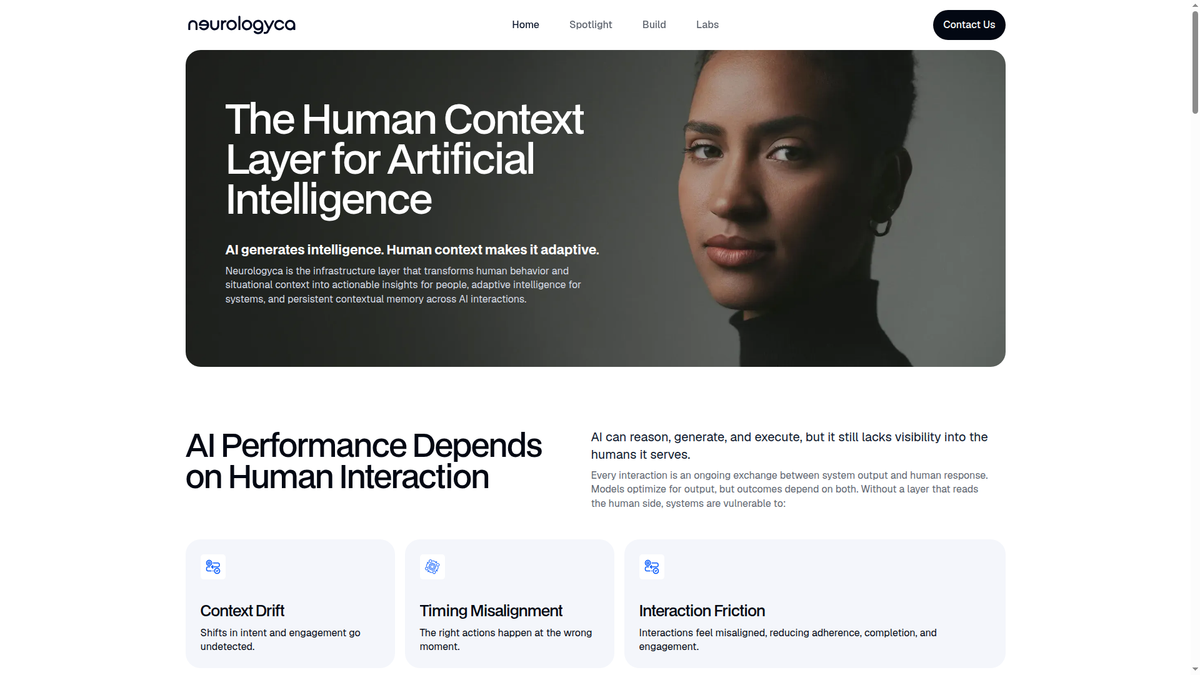
Marc Fernandez, Chief Strategy Officer at Neurologyca, shared the following commentary with Conversational AI News on a new Institute for Strategic Dialogue study of how AI chatbots answer election questions.
A new study from the Institute for Strategic Dialogue tested 2,400 responses from six leading AI chatbots on election questions across 10 states. One result stood out: when similar questions were asked in Spanish instead of English, performance dropped by an average of 16%.
That matters because more people are turning to AI to find information and make decisions. Elections are a tough test for these systems. Rules vary by state, sometimes by county, and they can change from one cycle to the next.
The Spanish-language gap is troubling on its own. People shouldn't get worse information simply because they ask a question in Spanish.
The language gap isn't the only problem, though. The study looks at whether the answers were accurate, current and well sourced. Those matter. But in a high-stakes situation, a system also needs to understand what the person is trying to do.
Take a voter asking, "Can I still register?" They're probably not asking out of curiosity. They're trying to vote, and they may be running out of time.
A good response should pick up on that urgency. It leads with the deadline and treats location as part of the answer. If the rules changed recently, it says so. If anything is uncertain, it points the voter to their election office to confirm. That context is the difference between an answer that helps and one that just happens to be right.
Elections make the problem easy to see because the stakes are clear and timing matters. The same is true in health, benefits, money and personal safety.
AI has gotten very good at producing answers that sound convincing. It still has a long way to go in understanding why someone is asking, what they're trying to accomplish and what could happen if the answer sends them in the wrong direction.
That's the human-context problem. It means understanding the goal, situation and intent behind a request.
It's also the problem my company works on, but this is much bigger than any one company. As AI takes on more responsibility, people are going to expect more than a correct answer.
They're going to expect the system to understand what they actually need.
Marc Fernandez is Chief Strategy Officer at Neurologyca.
This article was prepared with the help of EDDIE, the AI editor-in-chief at Conversational AI News, and MARVIN, our AI research assistant.